Intelligence is one of the most fascinating aspects of human life. It influences how we think, learn, solve problems, and adapt to new situations. But intelligence is not just about being “book smart”—it’s much more than that.
🌟 What is Intelligence?
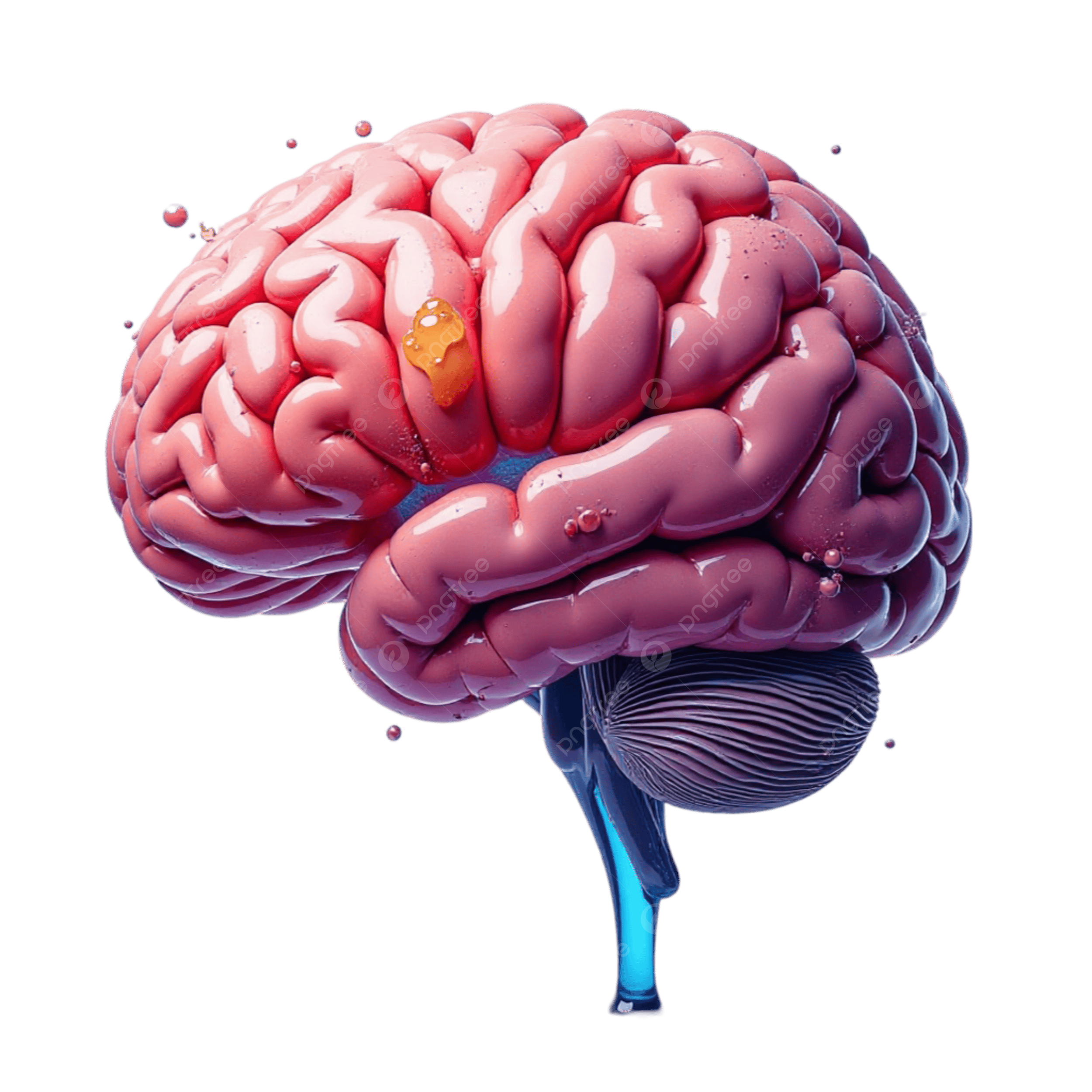


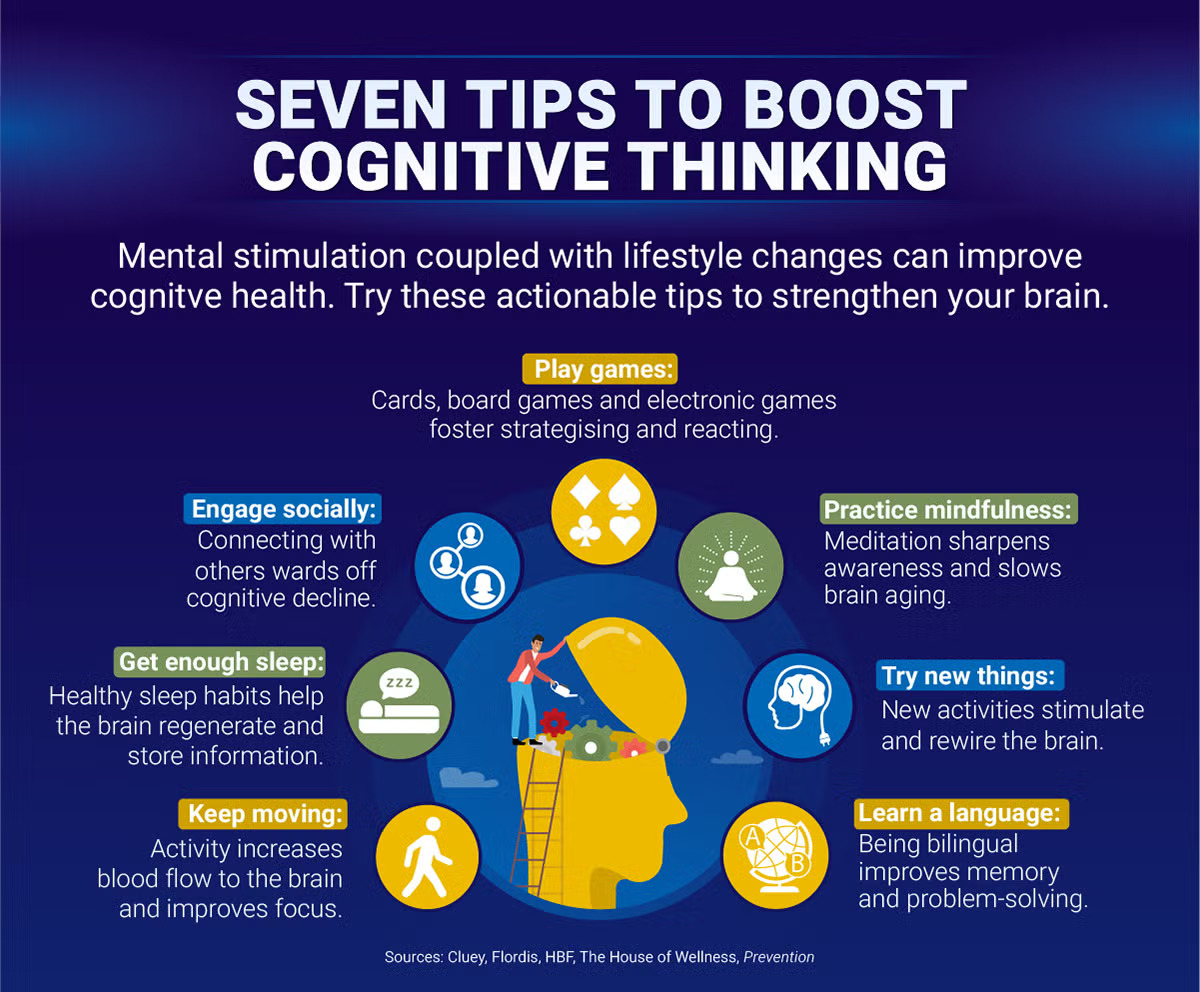
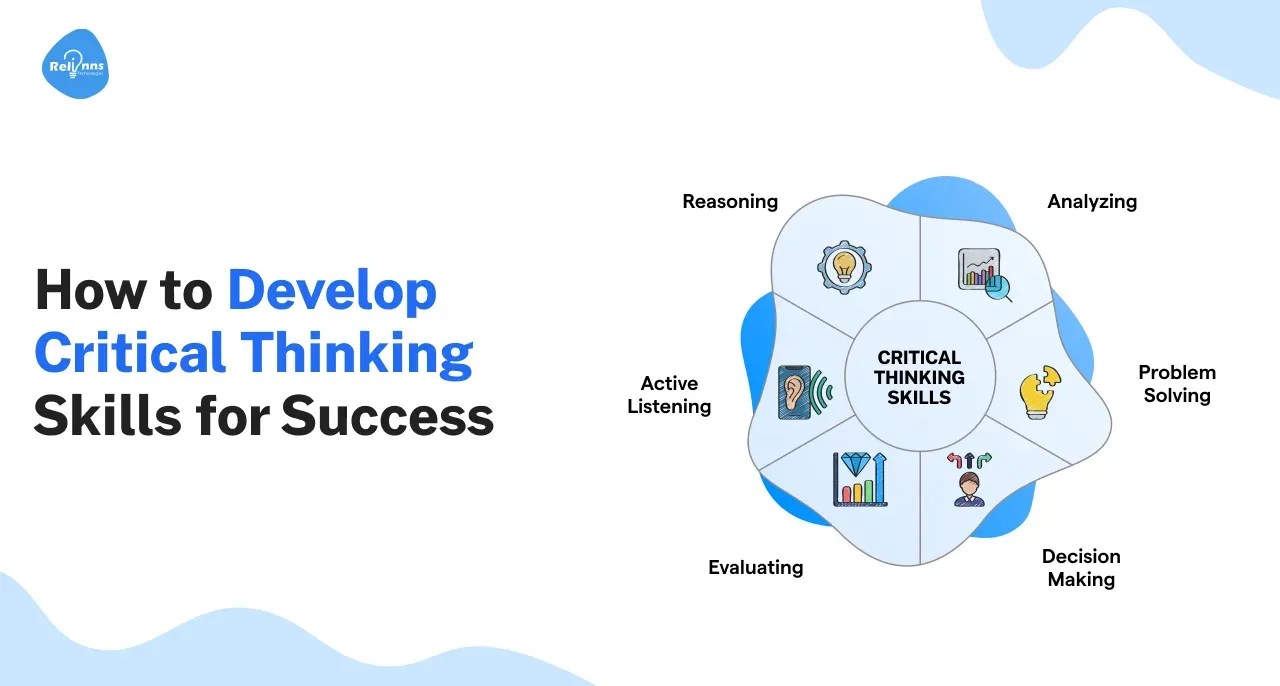
Intelligence can be defined as the ability to acquire knowledge, understand information, and use it effectively in real-life situations. It includes skills like reasoning, problem-solving, decision-making, and creativity.
In simple terms, intelligence is how well you use your brain—not just how much you know.
🧩 Types of Intelligence


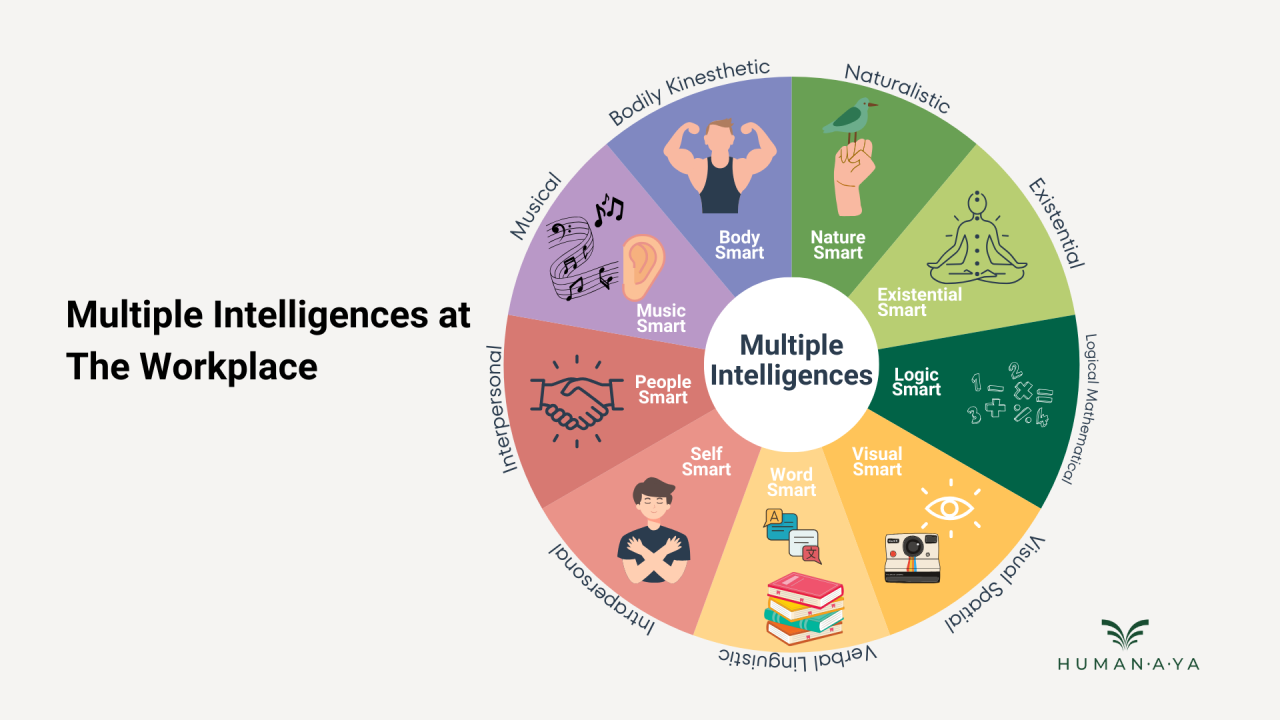
According to psychologists, intelligence is not one-dimensional. There are multiple types:
1. Logical Intelligence
- Ability to solve problems and think logically
- Important in mathematics and science
2. Linguistic Intelligence
- Skill in using words effectively
- Found in writers, speakers, and poets
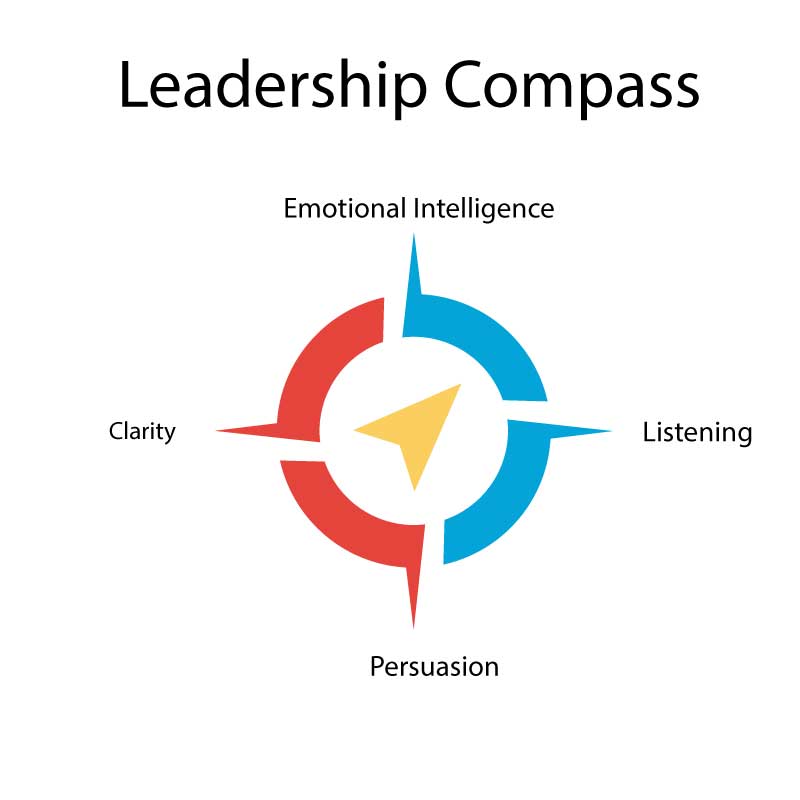
3. Emotional Intelligence (EQ)
- Ability to understand and manage emotions
- Helps in relationships and decision-making
4. Social Intelligence
- Ability to interact and communicate with others
- Important for teamwork and leadership
5. Creative Intelligence
- Ability to think outside the box
- Important in art, innovation, and design
📚 Intelligence vs Knowledge
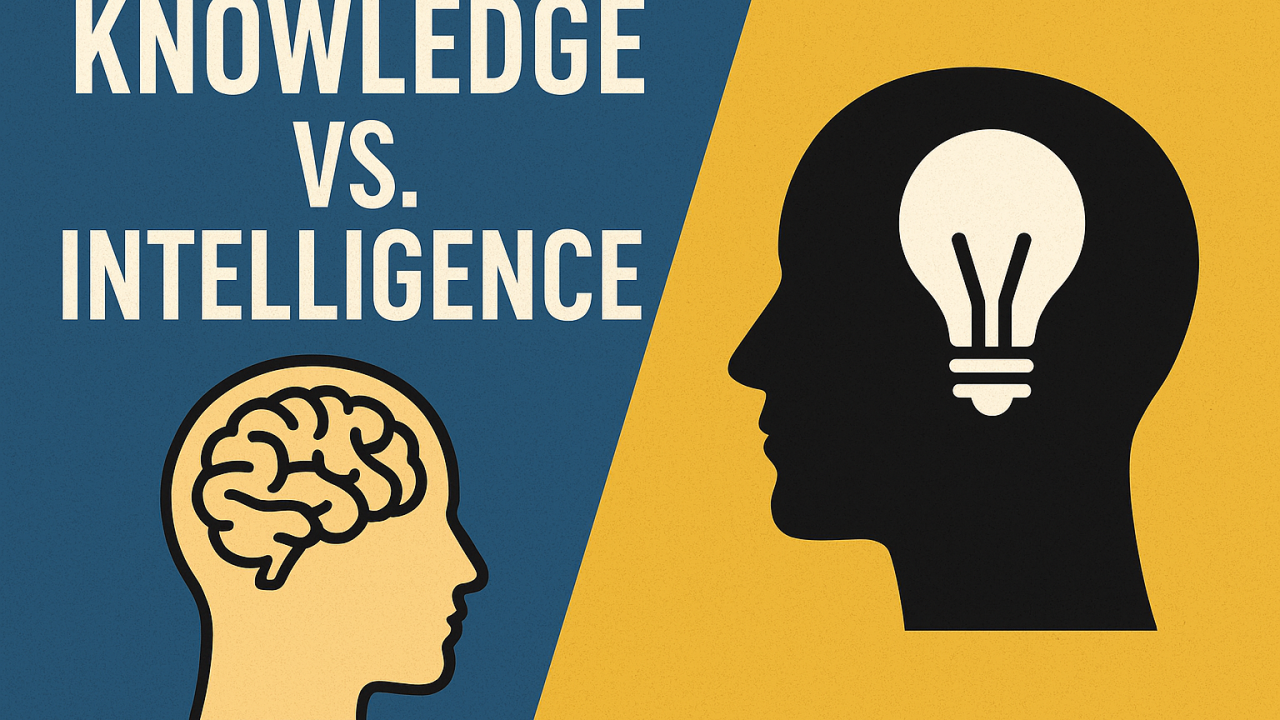
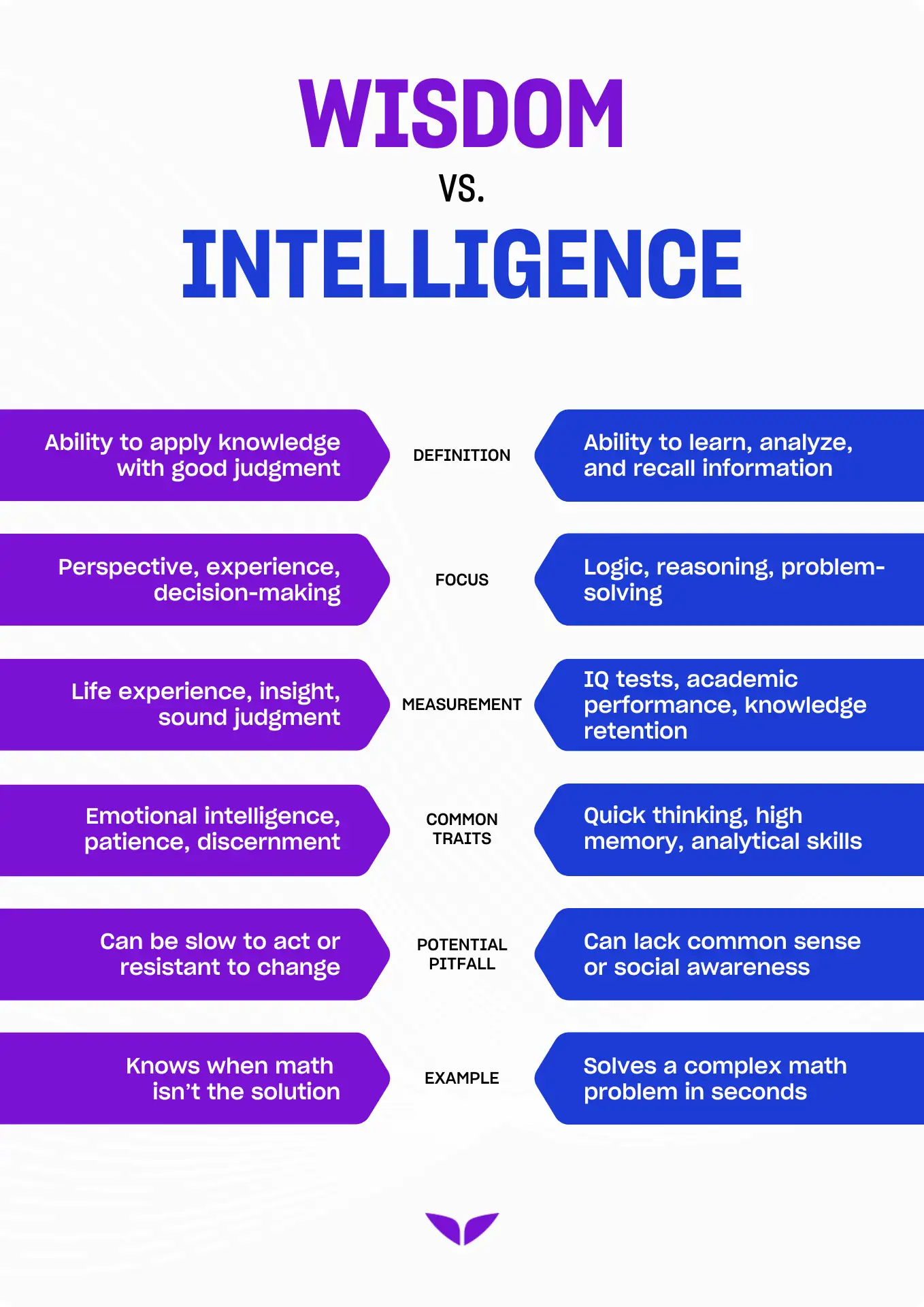


Many people confuse intelligence with knowledge, but they are different:
- Knowledge = Information you have learned
- Intelligence = Ability to use that information effectively
👉 A person may have a lot of knowledge but may not be intelligent in applying it.
🚀 How to Improve Intelligence
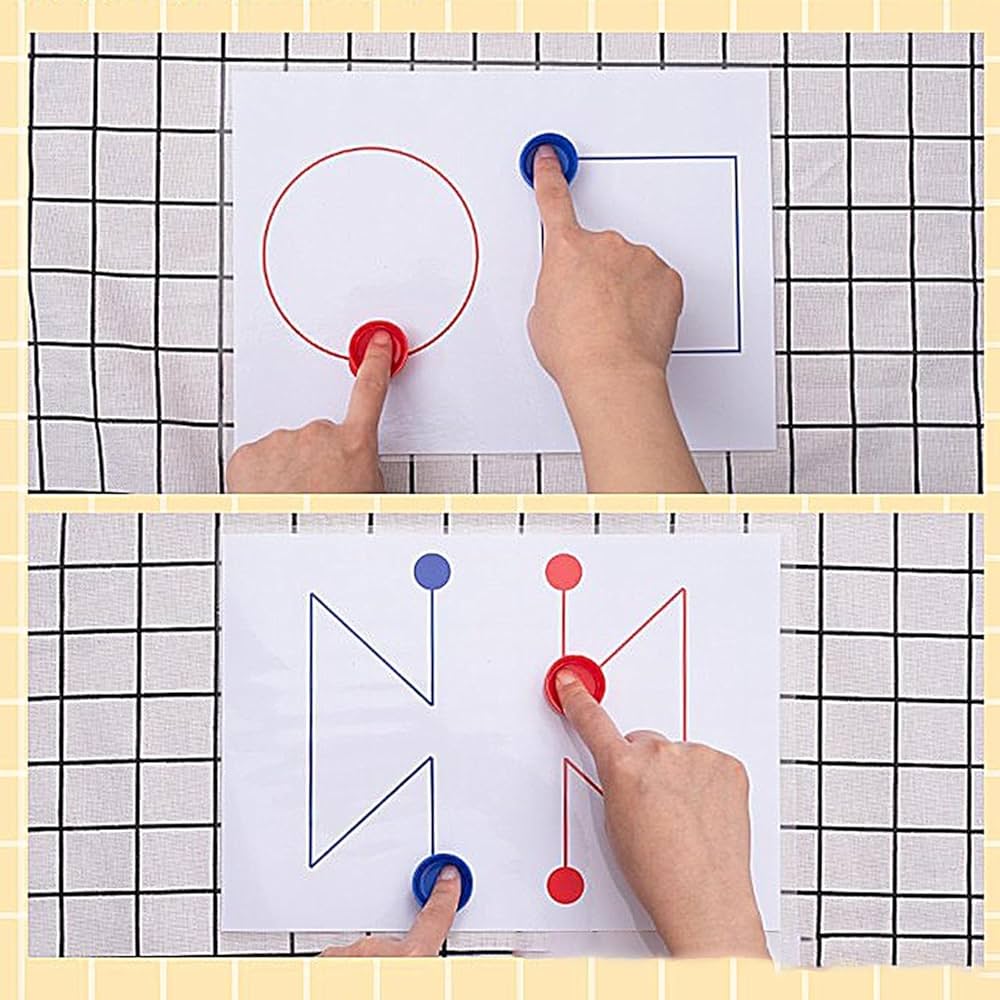
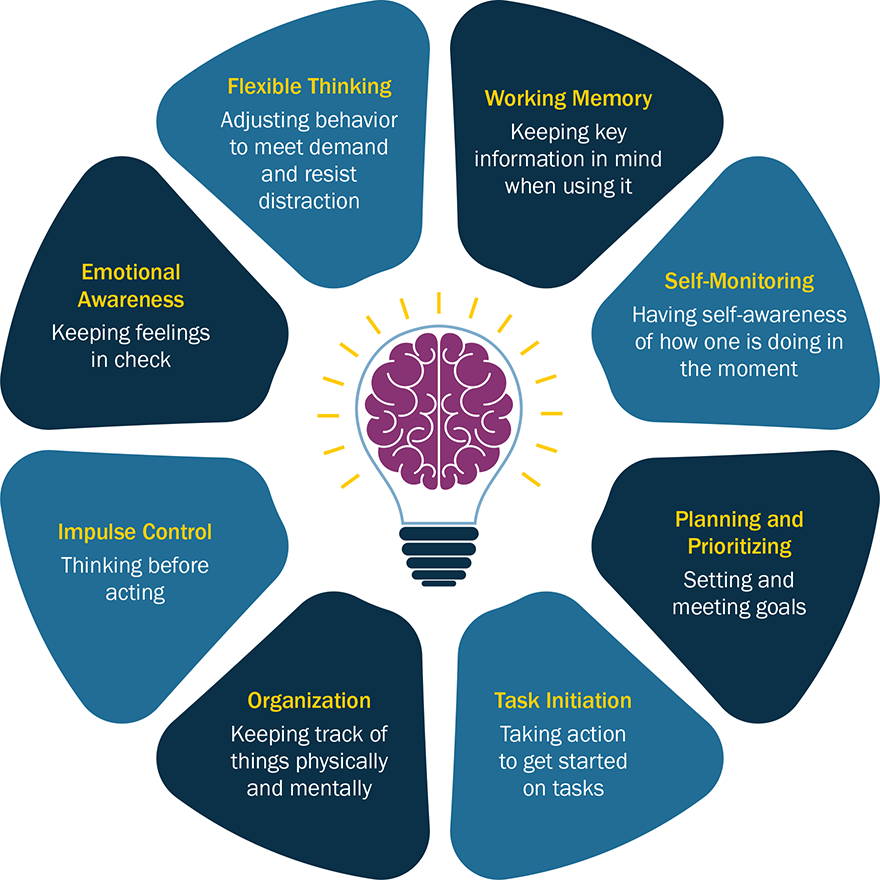
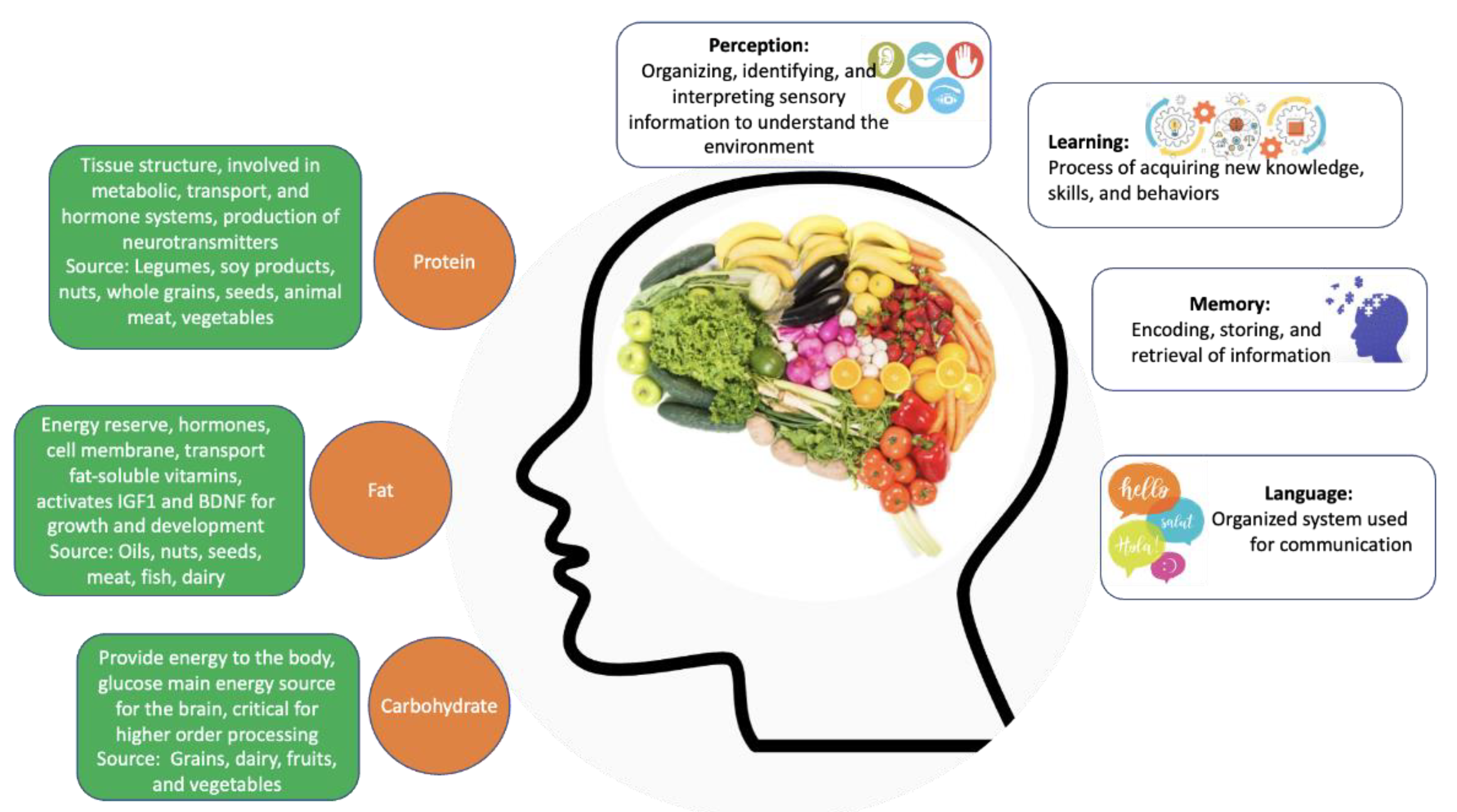

The good news is that intelligence can be developed over time:
- 🧠 Read books regularly
- 🧩 Solve puzzles and brain games
- 🗣️ Engage in meaningful conversations
- 🧘 Practice meditation for focus
- 🏃 Exercise to improve brain function
- 🎯 Learn new skills continuously
⚠️ Common Myths About Intelligence


- ❌ Intelligence is fixed → Wrong (it can grow)
- ❌ Only toppers are intelligent → Wrong
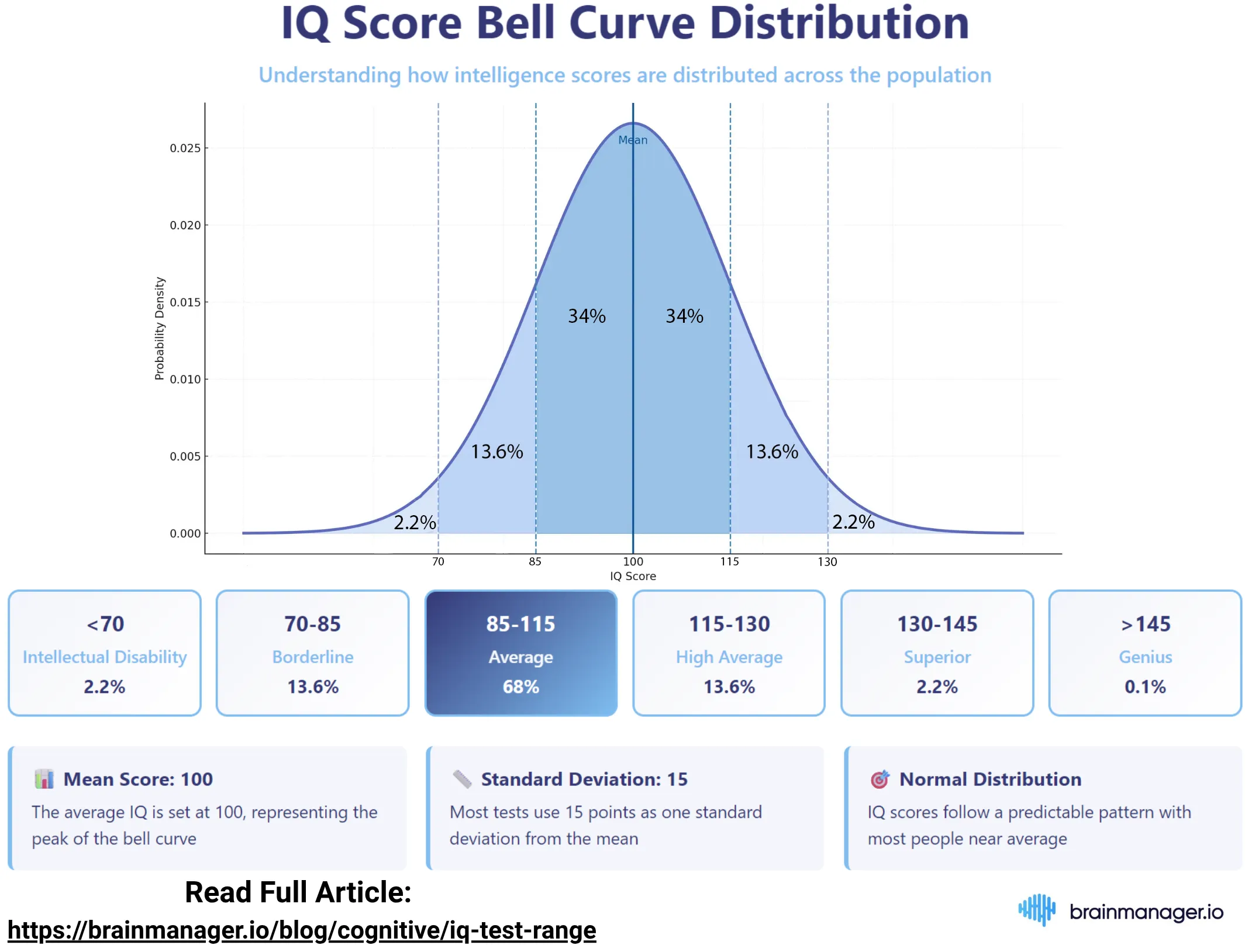
- ❌ Intelligence = IQ only → Incomplete idea
🔮 Importance of Intelligence in Life

Intelligence helps in:
- Making better decisions
- Solving real-life problems
- Building strong relationships
- Achieving success in career and life


