AI in autonomous systems refers to the use of artificial intelligence technologies to enable machines, robots, or vehicles to operate independently without human intervention. These systems can perceive their environment, make decisions, and take actions to achieve specific goals.
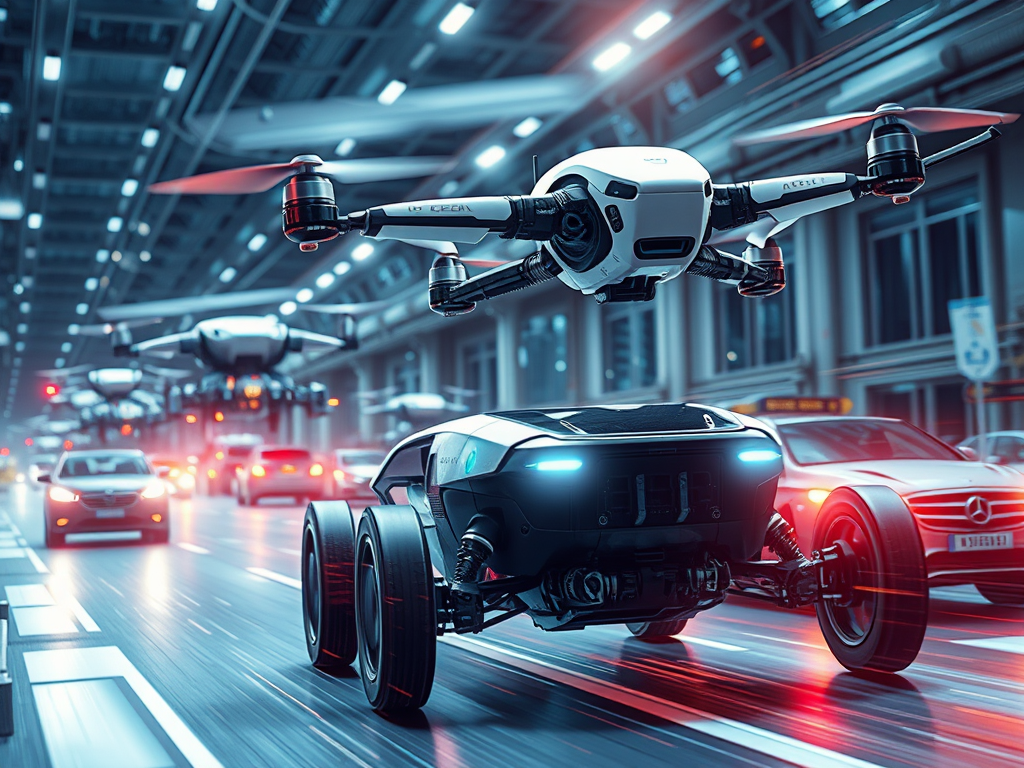
Here’s a breakdown of how AI is used in different autonomous systems:
1. Perception
- Sensors: Autonomous systems typically rely on a variety of sensors (cameras, LiDAR, radar, etc.) to gather information about their environment.
- Computer Vision: AI-driven computer vision processes and interprets the data from these sensors, enabling the system to recognize objects, understand spatial relationships, and identify obstacles.
2. Decision-Making
- Machine Learning: Machine learning (ML) algorithms help autonomous systems learn from data and experience. They enable the system to make predictions, recognize patterns, and adapt to changing environments.
- Reinforcement Learning: In some systems, such as robotics or self-driving cars, reinforcement learning algorithms enable the system to improve its performance by receiving feedback based on its actions and outcomes.
- Planning and Optimization: AI enables autonomous systems to plan routes, tasks, or behaviors that maximize efficiency or achieve a desired objective, while considering real-time constraints and uncertainties.
3. Control
- Actuators and Motors: Once a decision is made, AI systems control actuators or motors to execute movements, such as steering a car, adjusting speed, or performing specific tasks like picking up objects or navigating a drone.
- Control Systems: AI-driven control systems ensure that movements are smooth, precise, and safe. This involves real-time adjustments to ensure the system stays on course.
“Note: This post contains affiliate links. If you make a purchase using these links, I may earn a small commission at no extra cost to you.”
Examples of Autonomous Systems Using AI:
- Autonomous Vehicles: Self-driving cars use AI to interpret sensor data, make real-time decisions, and navigate roads without human drivers.
- Robots: Industrial robots use AI to perform tasks such as assembly, material handling, and inspection.
- Drones: Autonomous drones use AI to fly, avoid obstacles, and carry out tasks like surveillance, delivery, or mapping.
- Autonomous Ships and Aircraft: AI helps these vehicles navigate, avoid obstacles, and follow predefined paths without human control.
Challenges and Considerations:
- Safety and Reliability: Ensuring AI in autonomous systems can operate safely and reliably in complex, unpredictable environments is a major challenge.
- Ethical Decisions: Autonomous systems, especially in areas like healthcare or defense, may face situations requiring ethical decision-making (e.g., choosing who to prioritize in an emergency).
- Adaptability: Autonomous systems need to adapt to unexpected situations or environments, which requires robust AI algorithms that can handle uncertainty.
In essence, AI enables autonomous systems to operate independently and intelligently, performing tasks that would otherwise require human intervention, improving efficiency, safety, and scalability in many industries.

 about me