1. AI in Creativity: Art, Music, and Writing
AI is making strides in the creative field, and not just in automating repetitive tasks or analyzing data. Today, AI is being used to generate original artwork, compose music, and even write stories. Tools like DALL·E (for art) and OpenAI’s GPT models (for writing) are breaking boundaries in the creative industry.
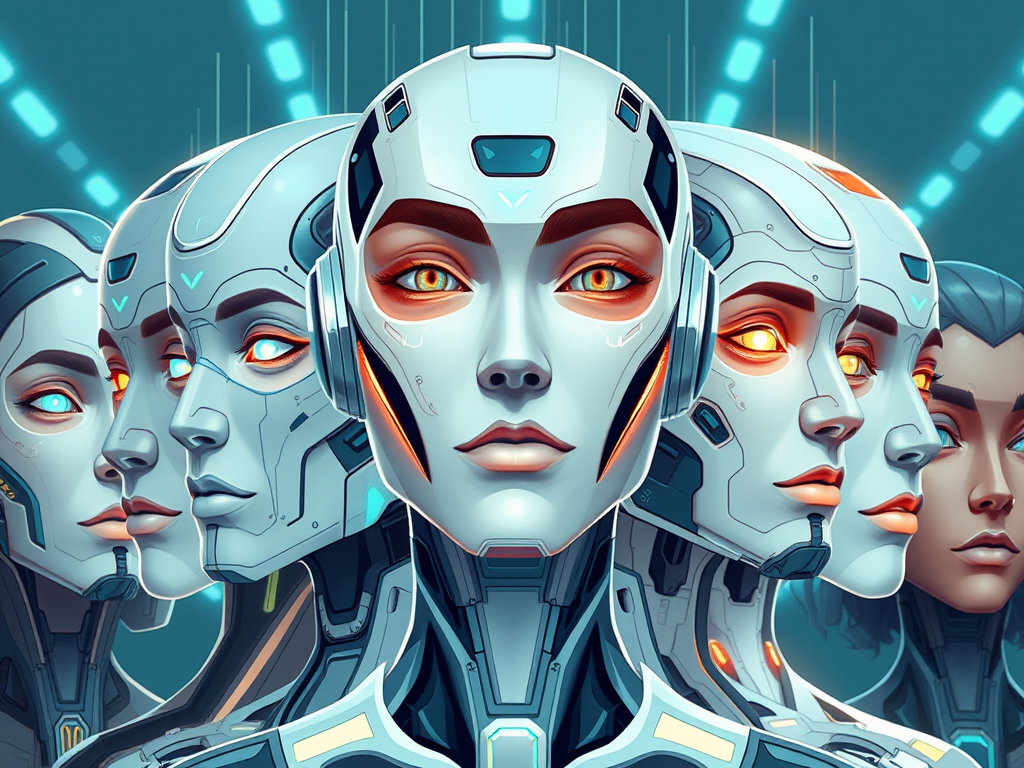
- AI Art: Platforms like DALL·E allow users to generate artwork from textual prompts, enabling the creation of highly unique and diverse visual representations. AI art raises questions about creativity, ownership, and what defines art itself.
- AI Music Composition: AI algorithms like AIVA and Amper Music compose original music tracks for movies, commercials, and personal projects. These tools use machine learning to mimic the styles of human composers or even create entirely new genres.
- AI-Generated Writing: AI is being used for writing short stories, poems, and even news articles. While not perfect, the potential for AI to assist in writing tasks—like brainstorming ideas, drafting outlines, or creating content—has opened doors for novel collaborations between machines and humans.
2. AI in Healthcare: Diagnosis, Treatment, and Drug Development
AI has revolutionized healthcare in various ways, from diagnostic tools to the development of personalized treatments.
- AI-Assisted Diagnosis: AI algorithms are increasingly being used to assist doctors in diagnosing diseases, especially in radiology and pathology. For example, AI systems like DeepMind have been shown to outperform human doctors in diagnosing certain types of eye disease and breast cancer by analyzing medical images.
- Personalized Medicine: AI helps in tailoring treatments to individual patients by analyzing their genetics, lifestyle, and medical history. Machine learning models predict which treatments will work best based on these personalized factors.
- Drug Discovery: AI is speeding up the process of discovering new drugs. Machine learning models analyze vast amounts of data to predict how different compounds might interact with human biology, potentially discovering new treatments for diseases faster than traditional methods.
3. AI in Autonomous Vehicles and Transportation
The rise of self-driving technology is another hot topic in AI research and application. Autonomous vehicles, powered by AI, are set to transform transportation systems worldwide.
- Self-Driving Cars: AI systems in autonomous vehicles rely on deep learning, computer vision, and sensor data to make real-time decisions about navigation, speed, and safety. Companies like Tesla, Waymo, and Cruise are actively working on creating fully autonomous cars.
- AI in Traffic Management: AI can also be applied to manage traffic more efficiently. Using AI, cities can optimize traffic flow by analyzing data from sensors and cameras to adjust traffic lights, predict traffic patterns, and reduce congestion.
- AI in Delivery: Autonomous drones and delivery robots are being developed to carry out deliveries more efficiently. AI helps these machines navigate urban environments, avoid obstacles, and make decisions on the fly.
4. AI in Business and Customer Service
Businesses are increasingly integrating AI into their operations, from improving customer service to driving automation in manufacturing.
- AI Chatbots: Many companies now use AI-driven chatbots to handle customer service inquiries. These bots can answer questions, process transactions, and provide personalized support, freeing up human agents to handle more complex tasks.
- Predictive Analytics: AI can analyze historical data to predict future trends, helping businesses with inventory management, sales forecasting, and marketing strategies. Tools like Salesforce Einstein and IBM Watson Analytics are widely used to deliver these insights.
- Robotic Process Automation (RPA): AI-powered bots are being used to automate routine, repetitive tasks like data entry, invoice processing, and employee onboarding, helping companies reduce operational costs and improve efficiency.
5. AI in Cybersecurity
As cyber threats become more sophisticated, AI is playing an essential role in securing digital environments.
- Threat Detection: AI is used to identify patterns and anomalies in network traffic, helping to detect cybersecurity threats like malware, ransomware, and phishing attacks more quickly. Systems powered by AI can constantly learn from new data, making them more effective at catching evolving threats.
- Automated Defense Systems: AI is used to automatically respond to security incidents. For example, AI-driven systems can isolate infected devices, block malicious IP addresses, and even deploy countermeasures to mitigate threats in real-time.
- User Authentication: AI-driven biometrics, like facial recognition and voice analysis, are being used to enhance security by offering more advanced and reliable ways to authenticate users beyond traditional passwords.
“Note: This post contains affiliate links. If you make a purchase using these links, I may earn a small commission at no extra cost to you.”
6. AI in Ethics and Governance
As AI continues to develop, its ethical implications and governance frameworks are gaining attention.
- AI Bias and Fairness: AI models can unintentionally perpetuate biases, especially if they’re trained on biased data. For example, facial recognition technology has shown to be less accurate for people with darker skin tones. Researchers are actively working on mitigating AI bias to ensure that systems are fair and equitable.
- AI and Privacy: With the rise of AI-driven surveillance and data analysis, questions about privacy and consent are becoming more pressing. How can we balance AI innovation with the protection of individual privacy rights?
- Regulation of AI: Governments and organizations are working on establishing frameworks to regulate AI, particularly in sensitive areas like autonomous weapons, facial recognition, and decision-making in areas like hiring, lending, and criminal justice.
7. AI in Space Exploration
AI is playing an important role in advancing space exploration.
- Mars Rovers: AI is used to drive Mars rovers autonomously, allowing them to make decisions about where to go and what to analyze, without constant instructions from Earth. The Curiosity Rover and the Perseverance Rover have relied on AI to analyze terrain and manage scientific tasks.
- Satellite Data Processing: AI is used to process vast amounts of data collected from space satellites. Machine learning models can identify patterns in environmental data, such as deforestation, climate change, or ocean health, providing valuable insights for planetary protection.
- AI in Space Robotics: AI-driven robots are being developed for tasks like maintaining and repairing satellites, or for assisting astronauts during missions. These robots would be capable of performing complex tasks in harsh, zero-gravity environments.
“Note: This post contains affiliate links. If you make a purchase using these links, I may earn a small commission at no extra cost to you.”

 about me